We are launching a new column called "Point of View" — a professional take on the key indicators of the mining market.First article topic of this section: "What is the true cost of 1 MW in mining?" covering the following key points:
- The price of electricity is not the primary driver of project economics.
- Infrastructure costs start at $80,000 per MW.
- Key risks and ROI are determined at the infrastructure design stage.
- The analysis is based on comparative data from projects in the CIS, Asia, and Latin America.
An Issue That Many People Approach Far Too Superficially
The market often focuses solely on the price of electricity, but the key mistake is to ignore the cost of the infrastructure itself. It is this that determines the real economics of the project.
Over the past year, we have reviewed dozens of projects in different countries, using different types of energy and cooling.
Grid Connection
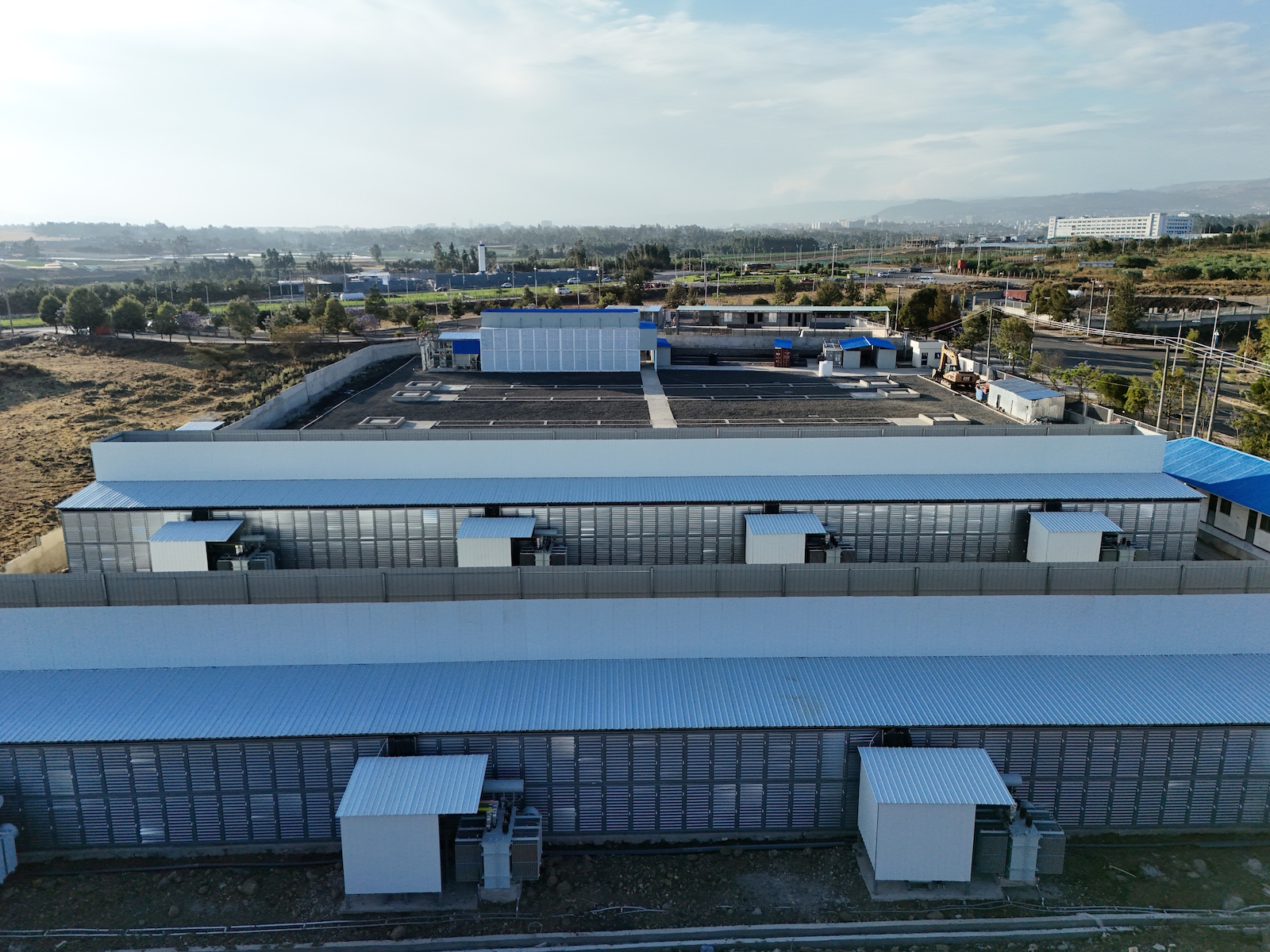
If we're talking about a classic grid connection, the average cost of connecting 1 MW looks like this:
- Transformer + switchgear
- Cable line to the interconnection point
- Equipment container
- Basic site infrastructure
≈ $80,000 – 100,000 per 1 MW
This is the minimum entry price for air cooling in most CIS countries, Asia and Latin America.
Gas
Power generators + containers + fuel infrastructure provide autonomy, but at a higher price:
- One or more power generators based on Weichai (or other Chinese brands)
- Packaging, security, and monitoring systems
- Containers for equipment
≈ $300,000 – 400,000 per 1 MW
Gas is currently the most predictable and stable source of energy for mining. But the entry threshold is higher.
Solar / Renewable Energy Clusters
Off-grid solar power plants designed for 24/7 mining operations are the most expensive type of infrastructure, since they involve a fully autonomous cluster with about 95% uptime powered by renewable energy sources. At the same time, when applied to an already operating facility, renewable energy systems in general can deliver a certain level of cost savings, reducing electricity expenses by 10 – 20%.
With normal insolation and realistic calculations, 1 MW of autonomous solar mining will require about $10,000,000 in initial infrastructure investments.
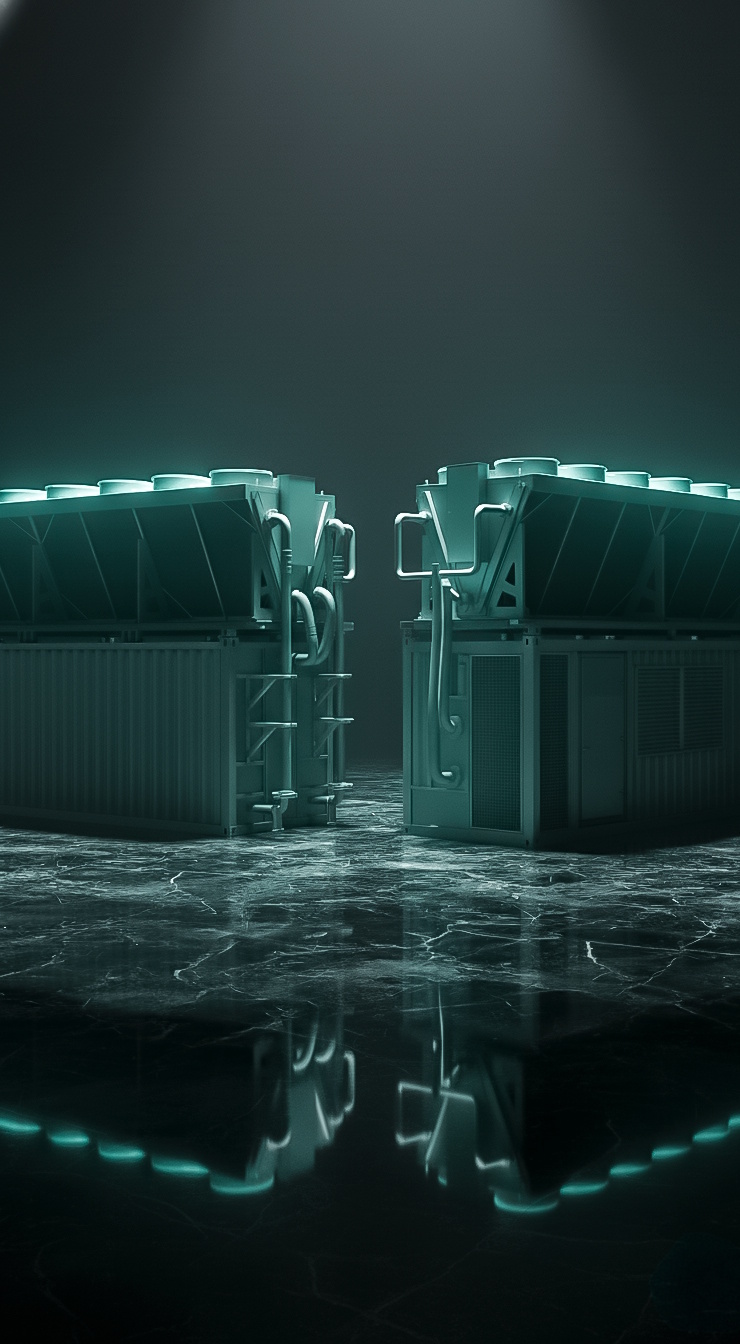
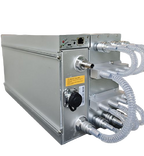
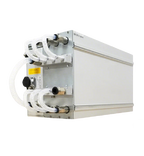
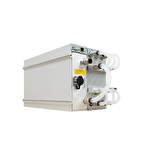
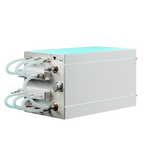
If the project uses hydro cooling or immersion cooling, the cost of infrastructure increases by $130,000 – 150,000 per 1 MW.
Conclusion
True mining economics are built on a different foundation:
- The cost to build out 1 MW of capacity.
- The reliability of the infrastructure.
- Its useful lifespan and the types of equipment it can support.
- The operational risks involved.
Only then do you get the price per kWh, the ROI and all the calculator stuff.