




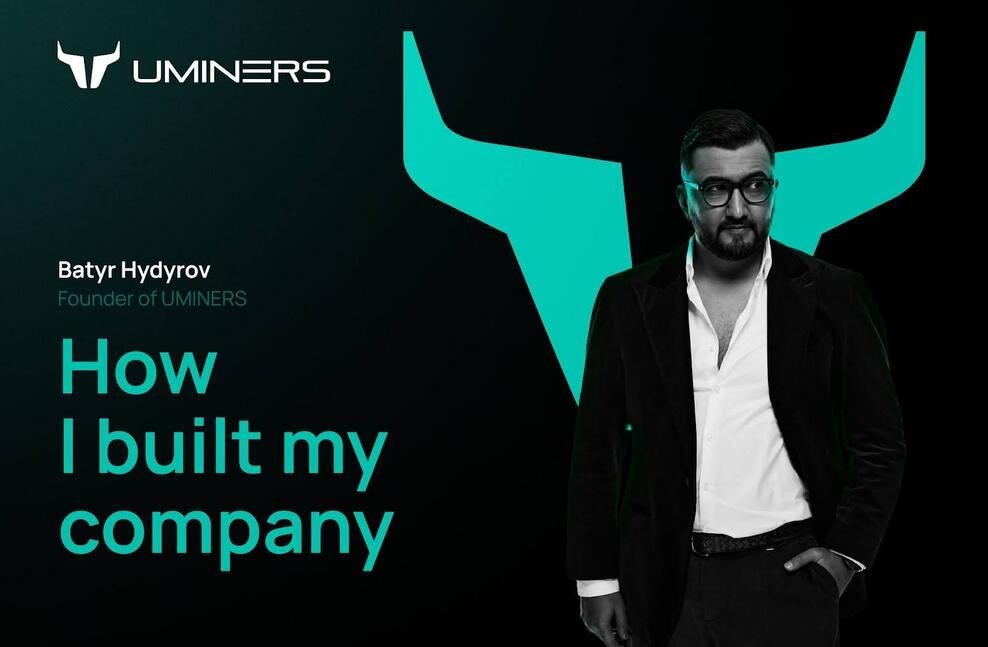
We're launching a new series of articles in our blog: "How I Built My Company". Each text will answer key questions and reveal important details: the first decisions, turning points, and challenges that shaped the company.
In this article, our founder shares the candid story of how Uminers came to be. We'll share not just the facts, but the personal insights that brought us to where we are today.
— How did the idea to create Uminers come about?
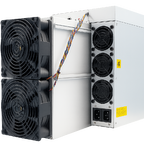
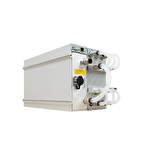
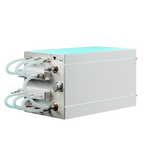
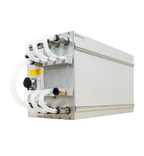
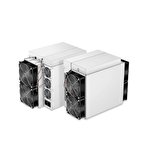
— Batyr Hydyrov: To be honest, the idea came from our future customers themselves. It all started when we received our first request for iBeLink equipment for mining Dash.
It was a lightbulb moment. I didn't just see a growing interest in the industry; I saw behind those inquiries an entire community of people who lacked a simple, straightforward way to start mining.
Demand snowballed, and it became obvious — it was time to create a company that would fill that need. And that's how Uminers was born.
— What were your resources at the start?
— Batyr Hydyrov: At the very beginning, the main resource was the desire to build a brand — that's what motivated and drove me forward. The second crucial factor was hard work: I had to spend nights in warehouses, overseeing shipments and logistics.
In fact, in the beginning, I did everything myself: sourcing equipment, checking and testing it, loading, shipping, and managing deliveries. All goods were shipped from Shenzhen at the time, and I personally controlled the entire journey — from the warehouse to the office.
Besides me, there were two other people on the team who handled the paperwork. Gradually, customers began to trust me more and more, and with each new order, that trust grew stronger. That's how the synergy between us and our customers was formed.
— Did you ever want to give up?
— Batyr Hydyrov: No, never.
— Did you make any costly mistakes at the beginning of your path that you still remember today?
— Batyr Hydyrov: Yes, and it was an important lesson. I immediately reinvested all the money I made from the first sales of mining equipment into pre-ordering a new batch, without fully grasping all the market risks.
When the equipment finally arrived, its value had already dropped significantly — it was worth only about 30–35% of the funds I had invested.
That experience became the best textbook on risk management.
— Are there times when the business wasn't profitable? How did you handle that?
— Batyr Hydyrov: Of course! We cut costs, stopped participating in exhibitions and gave up advertising. We worked primarily with regular customers and sold equipment at a minimal margin — essentially at break-even.
There was a moment when the business really broke even. This happened in early 2018 (Q1). At that point, I seriously considered developing additional areas of business to diversify risks and sources of income.
Conclusion
The story of Uminers is not just about selling mining equipment — it is about building trust in a complex and fast-changing industry. From the first customer requests to managing logistics by hand and learning hard lessons about market risks, the company's growth was shaped by real experience rather than theory.
This is only the first chapter. In the next articles of the How I Built My Company series, we will go deeper into the turning points that followed — scaling the business, entering new markets, building a team, and making strategic decisions under pressure and much more. The story continues.